
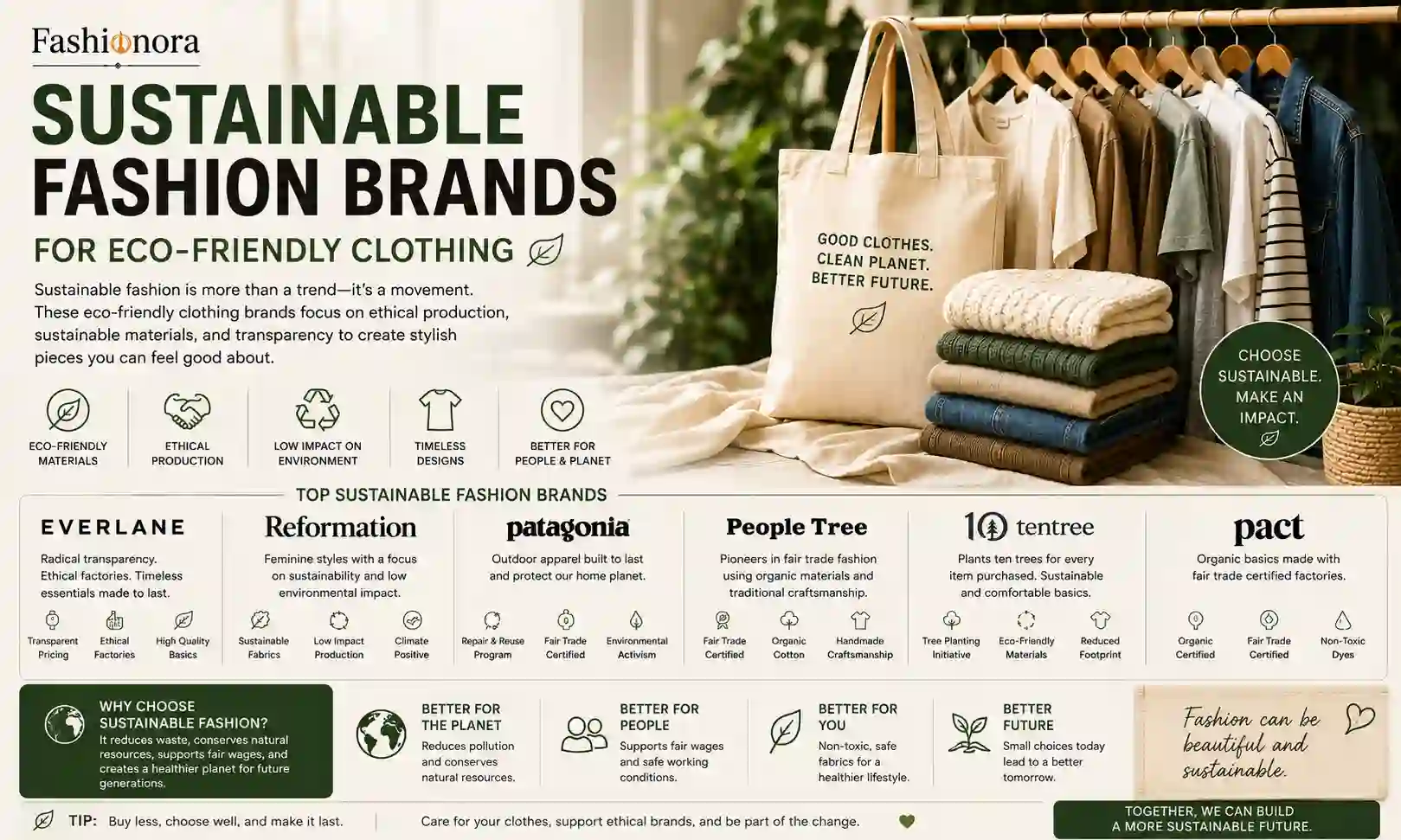
The fashion sector is undergoing rapid changes as more people are coming to realize the ecological and social consequences of the clothes they wear. Customers nowadays care not only about looks and cost, they also want to understand where their apparel comes from, which fabrics are used, and if the employees are fairly treated.
Sustainable fashion does not mean merely purchasing expensive organic clothing. It is a matter of selecting clothes that will last longer, consume fewer natural resources, and generate less waste, as well as supporting ethical manufacturing methods. A large part of top brands use organic cotton, recycled fibers, regenerating fibers, nature-based colors, and open supply chains to minimize negative impact on the environment. In fact, environmentalists recommend that it is a more eco-friendly move to purchase fewer, quality garments that you will keep wearing for some years rather than replacing cheaper fast-fashion items frequently.
What Is Sustainable Fashion?
Sustainable fashion is a style of clothing where garments are made keeping in mind the environment and fair treatment of workers. On the contrary to the fast fashion concept whose goal is pushing consumers to constantly buy and replacing items after a short time of wearing them, sustainable fashion emphasizes durability, ethically manufacturing and responsible use of resources.
A sustainable fashion brand typically prioritizes:
- Organic or recycled materials
- Fair wages and safe working conditions
- Reduced carbon emissions
- Eco-friendly packaging
- Water conservation
- Waste reduction
- Transparent supply chains
- Clothing repair and recycling programs
The goal is to create stylish clothing that has a lower impact on people and the planet.
Why Sustainable Fashion Matters
The fashion industry is one of the world’s largest consumers of water and raw materials. Rapid production cycles and disposable clothing have increased textile waste significantly.
Choosing sustainable fashion helps:
- Reduce landfill waste
- Lower water consumption
- Minimize chemical pollution
- Support ethical workers
- Reduce greenhouse gas emissions
- Encourage responsible consumer habits
Small purchasing decisions can collectively have a meaningful environmental impact over time.
Best Sustainable Fashion Brands for Eco-Friendly Clothing
Patagonia
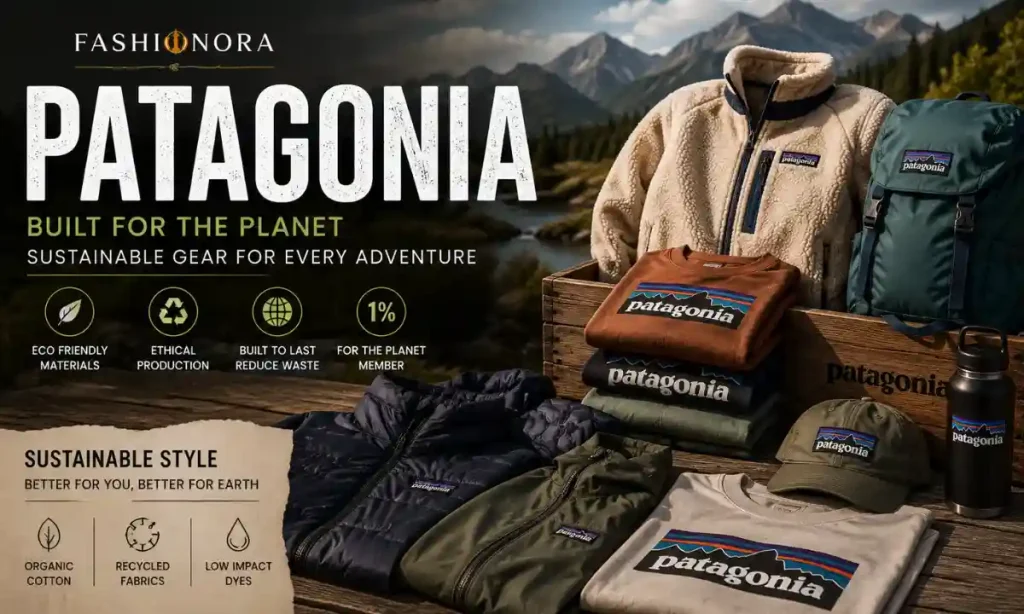
Patagonia has long been considered one of the global leaders in sustainable fashion. The company uses recycled materials across much of its product range, supports Fair Trade manufacturing, and operates the well-known Worn Wear program, which encourages customers to repair, resell, and reuse clothing instead of replacing it.
Best For
- Outdoor clothing
- Jackets
- Fleeces
- Hiking apparel
- Everyday basics
Why People Choose Patagonia
- Recycled fabrics
- Repair services
- High durability
- Environmental activism
- Transparent sustainability practices
Patagonia remains one of the most respected sustainable clothing companies because it emphasizes garment longevity, which is one of the most effective ways to reduce fashion waste.
Pact
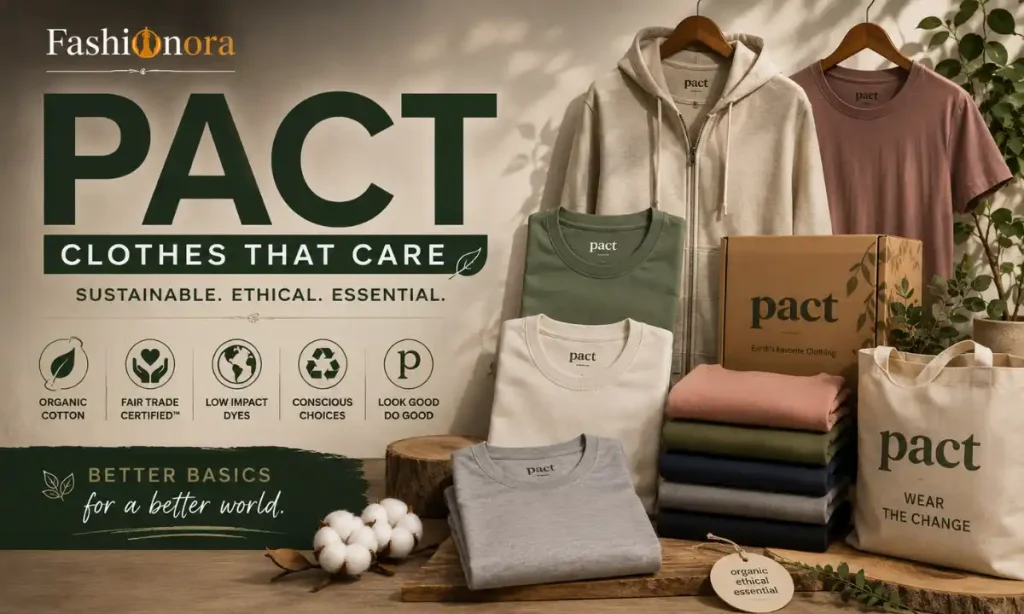
Pact specializes in affordable everyday basics made primarily from organic cotton.
Popular products include:
- T-shirts
- Underwear
- Sleepwear
- Hoodies
- Socks
The brand focuses on soft fabrics, ethical manufacturing, and comfortable essentials for everyday wear.
Tentree
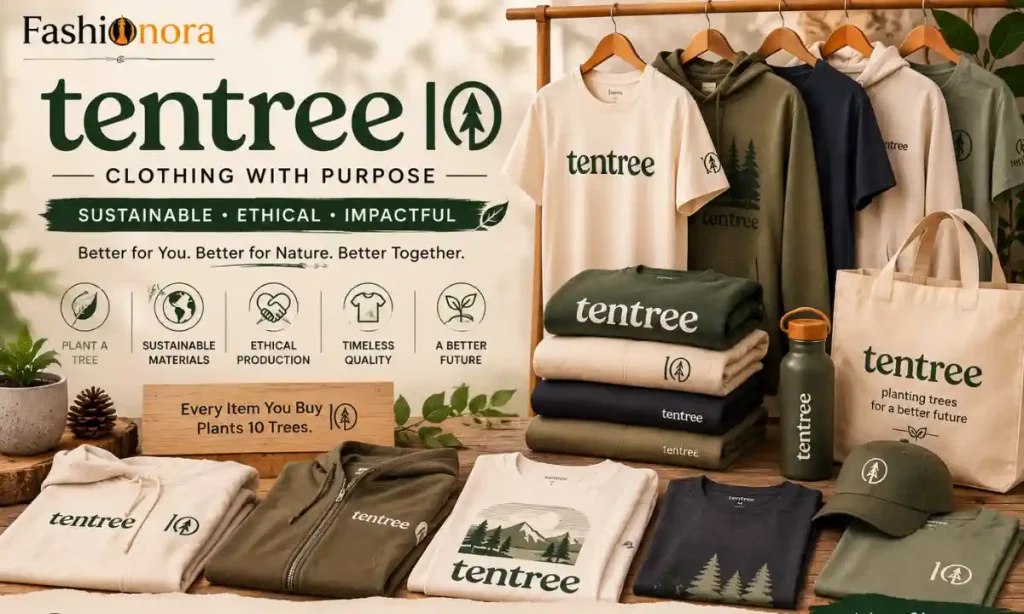
tentree combines fashion with environmental restoration by funding tree planting through its business model.
The brand is known for:
- Organic cotton
- Hemp fabrics
- Recycled polyester
- Casual outdoor clothing
Its focus on sustainability extends beyond clothing to broader environmental initiatives.
EILEEN FISHER
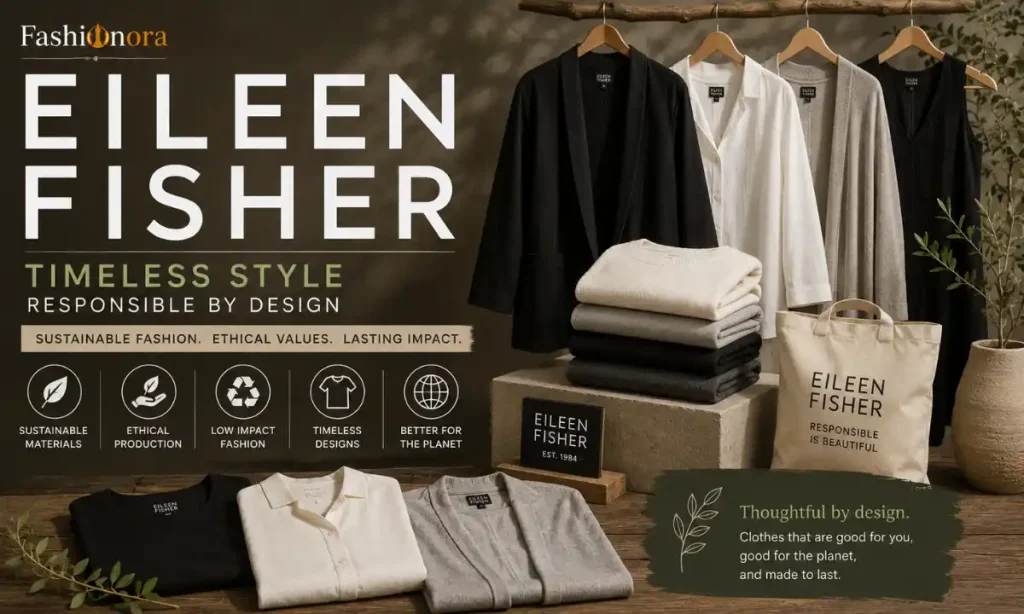
EILEEN FISHER has built a reputation for timeless fashion rather than seasonal trends.
The company offers:
- Linen clothing
- Organic cotton garments
- Wool collections
- Clothing take-back programs
Their simple designs encourage long-term use instead of frequent replacement.
Reformation
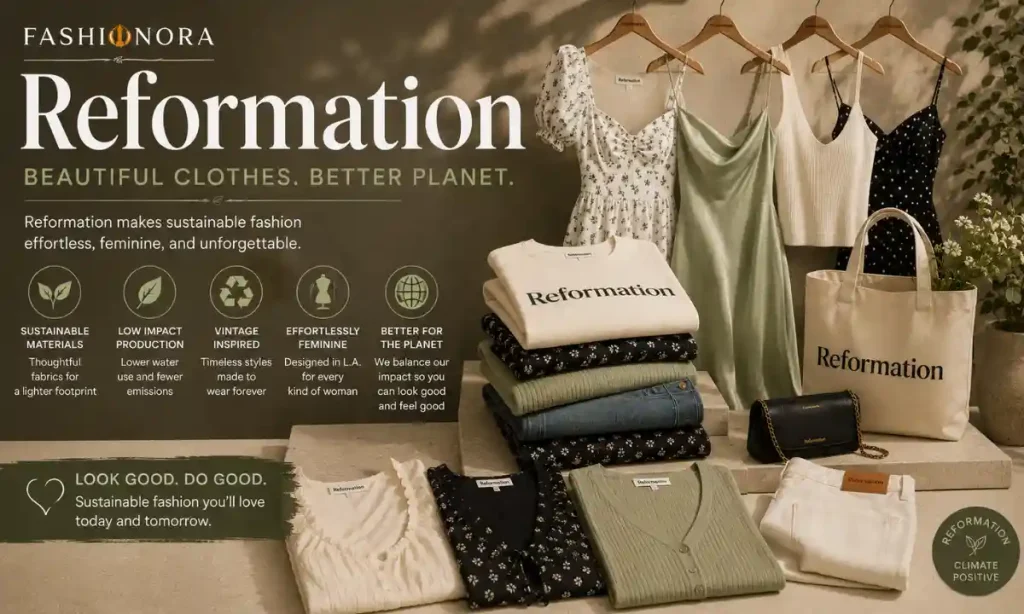
Reformation has become popular among consumers seeking fashionable clothing with lower environmental impact.
The brand emphasizes:
- Responsible materials
- Efficient production
- Lower water usage
- Carbon-conscious manufacturing
Its collections include dresses, tops, denim, and occasion wear.
Girlfriend Collective
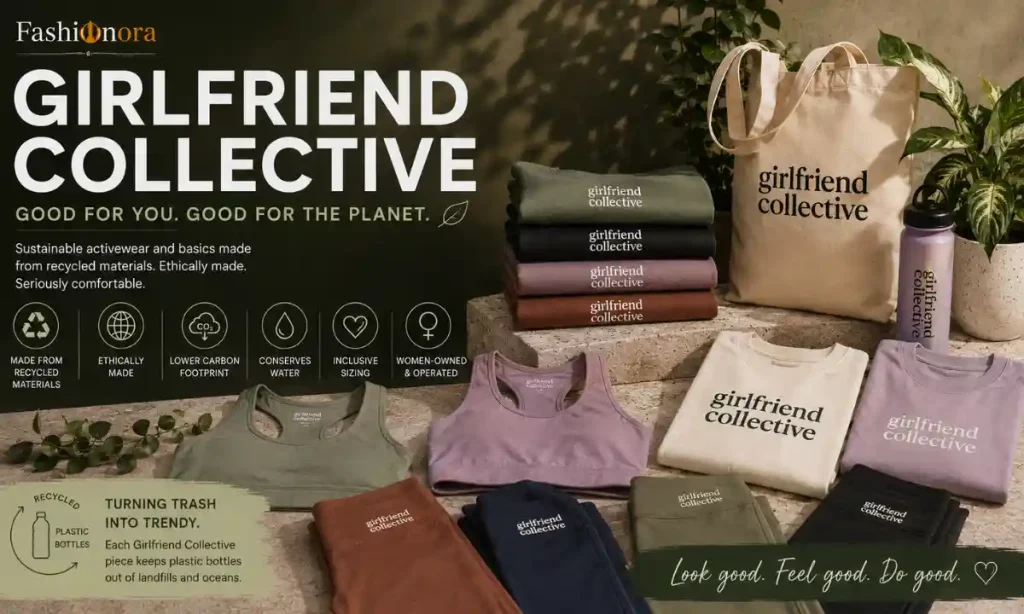
Girlfriend Collective is well known for activewear made from recycled materials.
Popular categories include:
- Leggings
- Sports bras
- Shorts
- Loungewear
The company also promotes inclusive sizing and transparent production.
Nudie Jeans
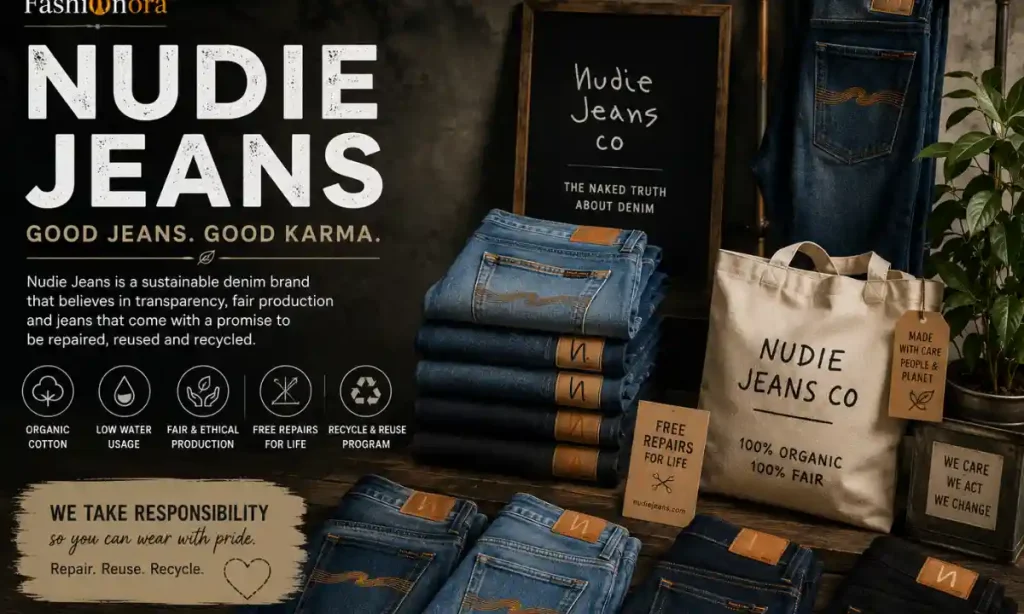
Nudie Jeans focuses almost entirely on sustainable denim.
Highlights include:
- Organic cotton
- Free repairs
- Denim recycling
- Long-lasting construction
Their repair program encourages customers to keep wearing their jeans rather than replacing them.
Kotn
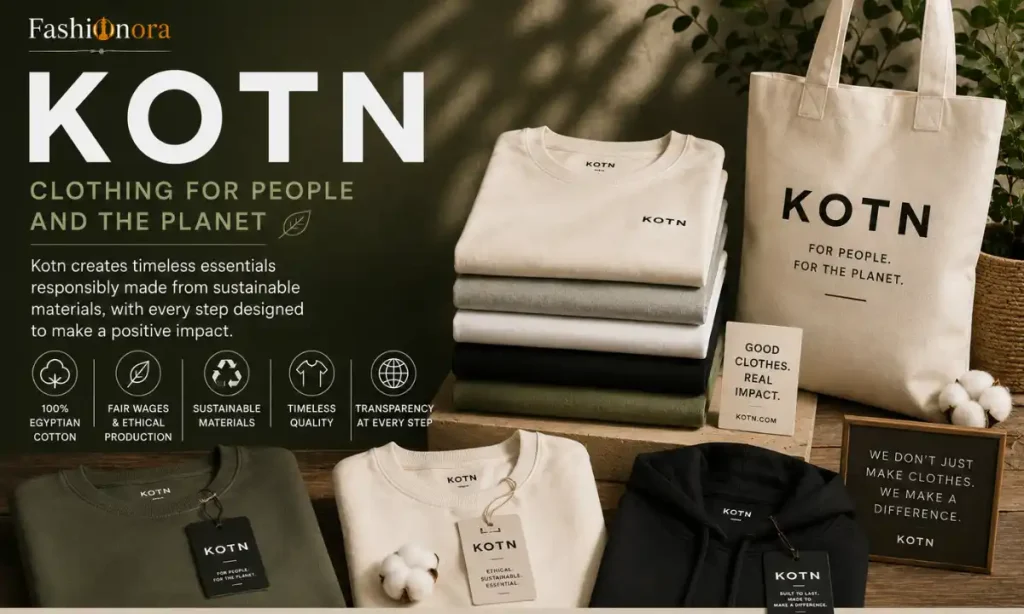
Kotn creates minimalist essentials using responsibly sourced natural fibers.
Popular products include:
- Cotton shirts
- Sweatshirts
- Knitwear
- Casual basics
The company also invests in education initiatives within cotton-growing communities.
Everlane
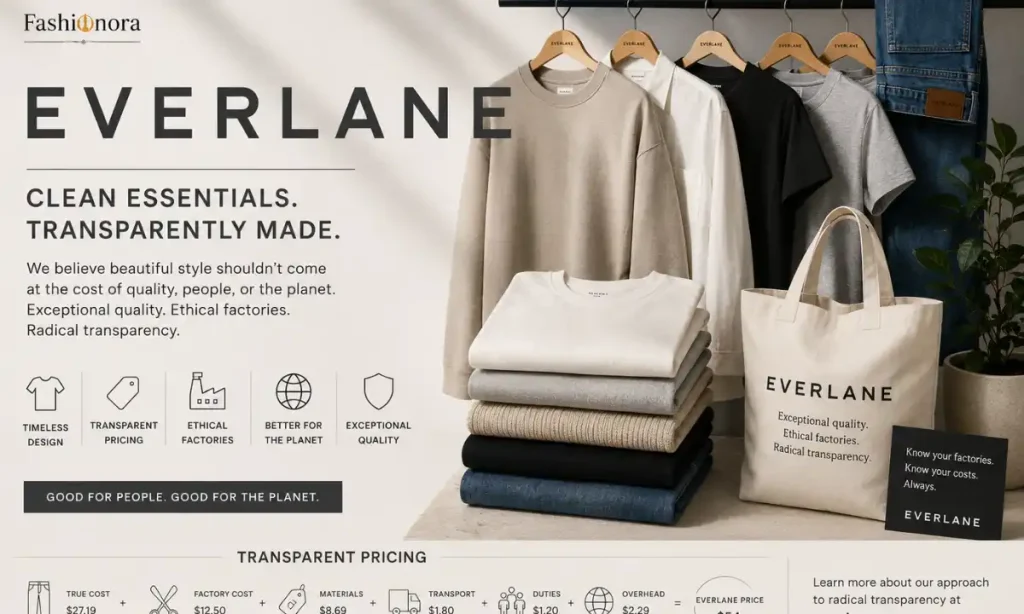
Everlane emphasizes transparency by sharing information about factories, materials, and production costs.
The brand offers:
- Shirts
- Denim
- Footwear
- Knitwear
- Outerwear
Its “radical transparency” approach has helped increase consumer awareness of clothing production.
Outerknown
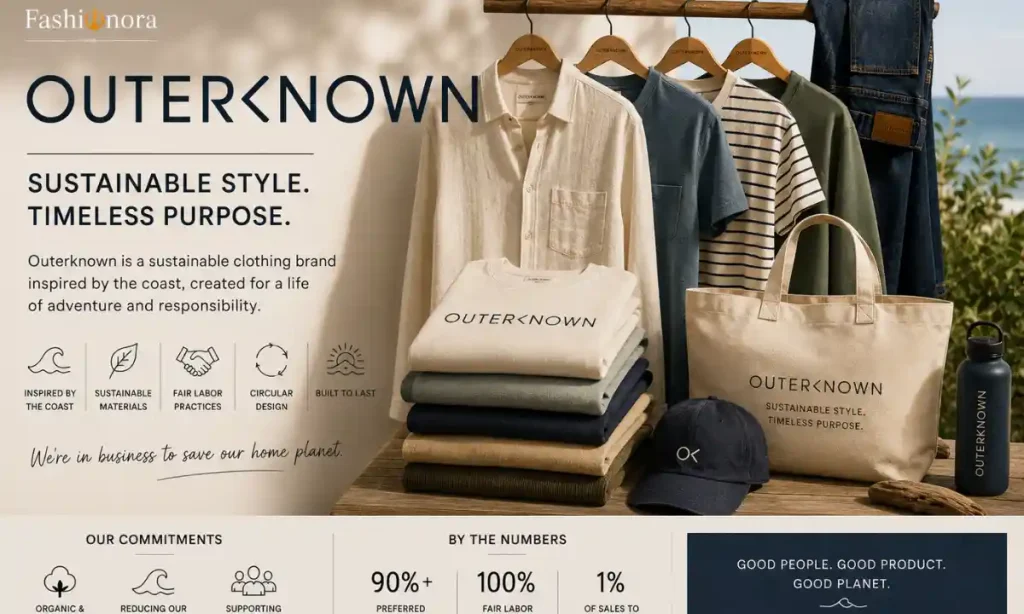
Founded with sustainability in mind, Outerknown focuses on premium casual clothing made using lower-impact materials.
Its collections include:
- Shirts
- Sweaters
- Swimwear
- Jackets
The brand prioritizes responsible sourcing and ethical manufacturing.
Best Sustainable Fashion Brands in India
India has become one of the fastest-growing markets for eco-friendly fashion, with several homegrown brands promoting organic fabrics, artisan craftsmanship, and ethical production.
Some leading Indian sustainable fashion brands include:
| Brand | Specialty |
|---|---|
| No Nasties | Organic cotton basics |
| Doodlage | Upcycled fashion |
| Nicobar | Contemporary lifestyle clothing |
| B-Label | Organic apparel |
| Okhai | Handmade artisan clothing |
| Sui | Natural fabrics |
| BOHECO | Hemp-based fashion |
| Buna | Handwoven textiles |
Many Indian labels combine traditional craftsmanship with modern sustainability practices, making them attractive choices for conscious shoppers.
How to Identify a Genuine Sustainable Fashion Brand
Not every company that claims to be “green” is genuinely sustainable. Some brands use environmental marketing without making meaningful improvements—a practice often called greenwashing.
Look for brands that offer:
| Feature | Why It Matters |
|---|---|
| Organic Materials | Reduces pesticide use |
| Recycled Fabrics | Keeps waste out of landfills |
| Supply Chain Transparency | Shows where products are made |
| Fair Trade Practices | Supports ethical workers |
| Repair Programs | Extends product life |
| Clothing Recycling | Reduces textile waste |
| Certified Manufacturing | Independent sustainability verification |
| Minimal Packaging | Less plastic waste |
Reliable brands often support their claims with recognized certifications rather than vague marketing language.
Eco-Friendly Fabrics to Look For
Choosing better materials is one of the easiest ways to shop more sustainably.
| Fabric | Sustainability Benefits |
|---|---|
| Organic Cotton | Less pesticide use |
| Hemp | Low water requirement |
| Linen | Durable and biodegradable |
| TENCEL™ Lyocell | Wood-based renewable fiber |
| Recycled Cotton | Reduces textile waste |
| Recycled Polyester | Reuses plastic waste |
| Recycled Wool | Conserves natural resources |
| Bamboo Lyocell | Soft and renewable when responsibly processed |
Natural and responsibly sourced fibers generally have a lower environmental impact than conventional materials.
Sustainable Fashion Trends in 2026
The sustainable fashion industry continues to evolve with new innovations and consumer preferences.
Major trends include:
Circular Fashion
More brands now offer repair, resale, rental, and recycling programs to keep clothing in use for longer.
Regenerative Agriculture
Some companies are sourcing cotton and wool from farms that restore soil health instead of simply reducing harm.
Recycled Materials
Brands increasingly use recycled cotton, recycled nylon, and recycled polyester to reduce dependence on virgin resources.
Timeless Wardrobes
Consumers are investing in versatile clothing designed to remain stylish for years instead of following short-lived trends.
Greater Transparency
Brands are providing more information about factories, materials, and environmental impact, helping shoppers make informed decisions.
How to Build an Eco-Friendly Wardrobe
Creating a sustainable wardrobe doesn’t require replacing everything at once.
Start with these practical steps:
- Buy fewer, higher-quality garments.
- Choose timeless designs over short-term trends.
- Repair damaged clothing instead of discarding it.
- Donate or resell unwanted garments.
- Wash clothes less frequently when appropriate.
- Use cold water and air-dry whenever possible.
- Support brands with transparent supply chains.
- Consider second-hand shopping for unique and affordable finds.
These habits can significantly reduce both waste and clothing expenses over time.
Common Greenwashing Claims to Watch Out For
Some brands promote sustainability without offering clear evidence.
Be cautious of statements like:
- “Eco-friendly”
- “Natural”
- “Green collection”
- “Earth-friendly”
- “Conscious fashion”
Without supporting details such as certifications, transparent sourcing, or measurable sustainability initiatives, these claims may not reflect meaningful environmental improvements.
Benefits of Buying Sustainable Clothing
Choosing sustainable fashion offers several advantages:
- Better garment quality
- Longer lifespan
- Reduced environmental impact
- More ethical production
- Improved fabric comfort
- Less textile waste
- Support for responsible businesses
- Greater transparency
Although sustainable clothing can cost more initially, its durability often provides better long-term value.
Is Sustainable Fashion More Expensive?
Many sustainable garments have higher upfront prices because they use better materials and support fair labor practices.
However, several factors can offset the cost:
- Longer garment lifespan
- Better construction
- Reduced replacement frequency
- Higher resale value for some brands
Rather than focusing solely on purchase price, many consumers consider the “cost per wear” when evaluating value.
Conclusion
Sustainable fashion is no longer a niche movement—it has become an important part of the modern clothing industry. As consumers demand greater transparency and environmental responsibility, more brands are adopting ethical manufacturing, recycled materials, and circular fashion initiatives. While no company is perfect, brands that prioritize durability, responsible sourcing, fair labor, and repair or recycling programs are helping move the industry in a more sustainable direction.
Building an eco-friendly wardrobe doesn’t require replacing everything overnight. Choosing quality over quantity, investing in timeless designs, caring for your clothing, and supporting genuinely responsible brands can make a meaningful difference. By making informed purchasing decisions, you not only reduce your environmental footprint but also encourage a fashion industry that values people, resources, and the planet for the long term.
FAQs
There is no single brand that is perfect, but Patagonia, Pact, EILEEN FISHER, tentree, Reformation, Girlfriend Collective, and Nudie Jeans are widely recognized for strong sustainability initiatives.
Organic cotton, hemp, linen, TENCEL™ Lyocell, and responsibly sourced recycled fibers are among the most environmentally friendly options.
Yes. Sustainable clothing is often more durable, ethically produced.
Look for transparent information about materials, factories & certifications.
Yes. Purchasing pre-owned clothing extends the life of existing garments, reduces demand.
You may also explore our related fashion guides for more styling inspiration ideas: Best Sneakers to Wear with Formal Outfits: Some Stylish Picks for a Smart, Modern Look